On 21 August 2025, the Bank of Namibia hosted its inaugural Youth Central Banking Simulation Lab in Windhoek. For the first time, young Namibians stepped directly into the decision-making roles of central bankers — Governors, board members, economists — and were asked to deliberate on questions that cut to the heart of our economic future.
The Central Questions
- What do young people envision for the future of Namibia's currency?
- How can the Bank of Namibia help more young people in rural areas access safe and affordable banking services?
Holding the Conversation
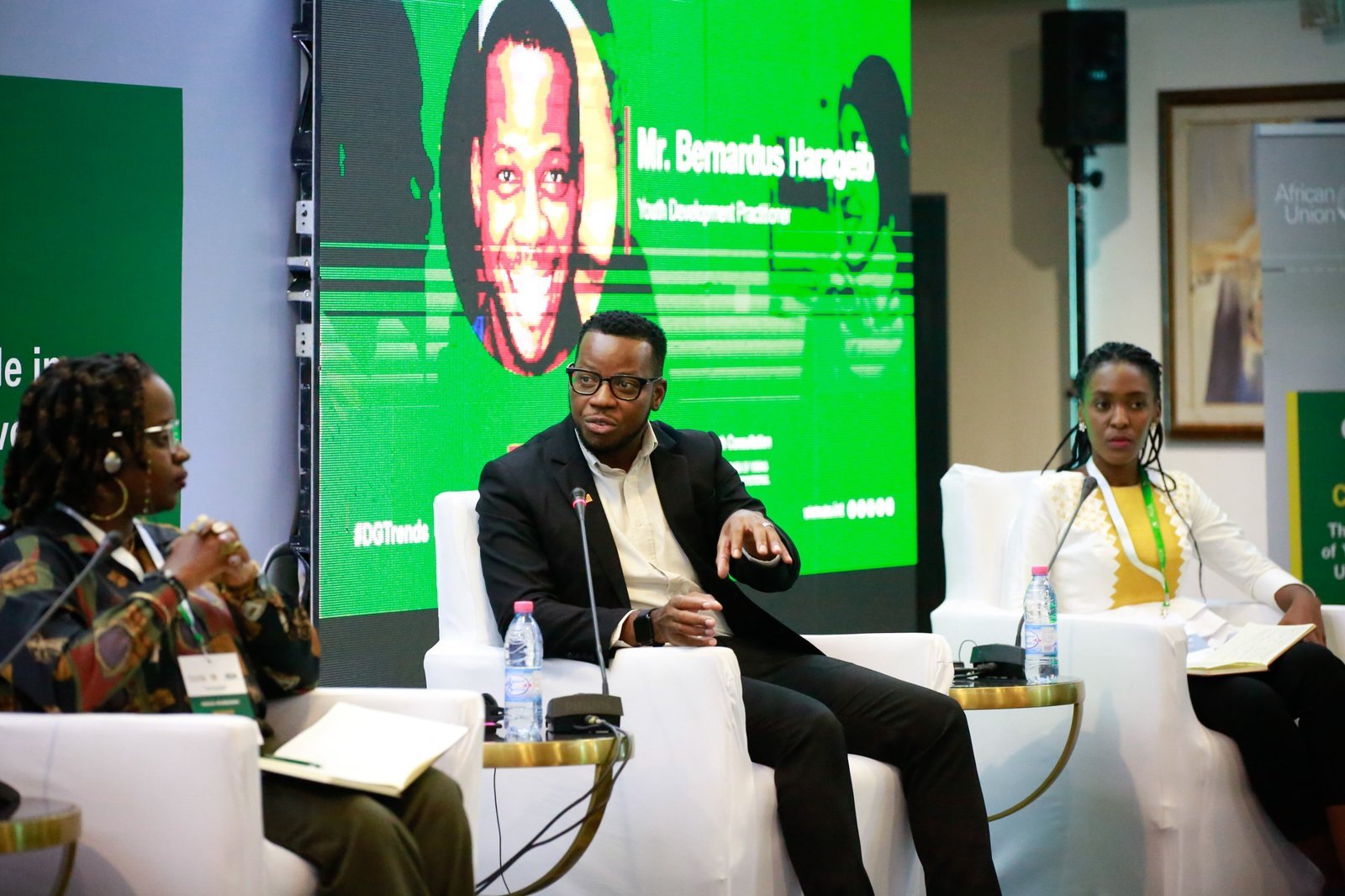
I had the privilege of moderating the session on Namibia's currency. And sometimes, the best way to enter a complex topic is through humour and honesty.
"Quick show of hands — who here has ever tried to pay with a torn note and just prayed the cashier wouldn't notice? Some of us even try to smooth it out… We've all been there. And it shows us something simple but important: money is never just numbers. It's trust. It's identity. Sometimes, it's also drama."
The room relaxed. Laughter made space for reflection. These questions weren't trivial. They revealed something deeper: money carries stories. It shapes dignity, access, and belonging in ways we can't always measure.
Youth Visions for the Namibian Dollar
Two institutions — NUST and Triumphant College — presented bold ideas, debated trade-offs, and offered visions for what our currency could become. They raised practical solutions:
Embedding microchips or QR codes in notes
Bridging physical currency with digital infrastructure.
Trust-building campaigns for e-Namibian Dollar
Ensuring public confidence in digital currency adoption.
Youth advisory boards
To ensure policy is reachable and responsive to the next generation.
Key Youth Insights
- Financial literacy is essential — Access without knowledge leads to dependency.
- Transparent communication of monetary policy is non-negotiable — Repo rates and inflation must be explained in plain language.
- Innovation is embraced — Fintech, AI, and digital finance, but anchored in ethics, regulation, and trust.
- Engagement must be structured, not sporadic — Advisory boards, simulations, and workshops should be sustained platforms, not one-off events.
Why It Matters
By 2050, nearly one in three people under the age of 25 will be African. Many of them may never walk into a bank branch. But talk about mobile money, e-wallets, or digital currencies, and young people are already first movers.
The Simulation Lab gave us a glimpse of how youth are already grappling with this challenge: designing currencies that carry identity while preparing for futures where money may never even touch our hands.
"By role-playing as policymakers, youth participants demystified the central bank, learned how decisions ripple into households, and tested their own capacity to lead under pressure."
— Steven Harageib, Windhoek 2025I remain grateful to the Bank of Namibia for its vision and courage. It is no small thing for an institution of such stature to open its doors for a genuine simulation where young people could deliberate, decide, and imagine. That is the future we must build.